
Rubber Insulating Gloves
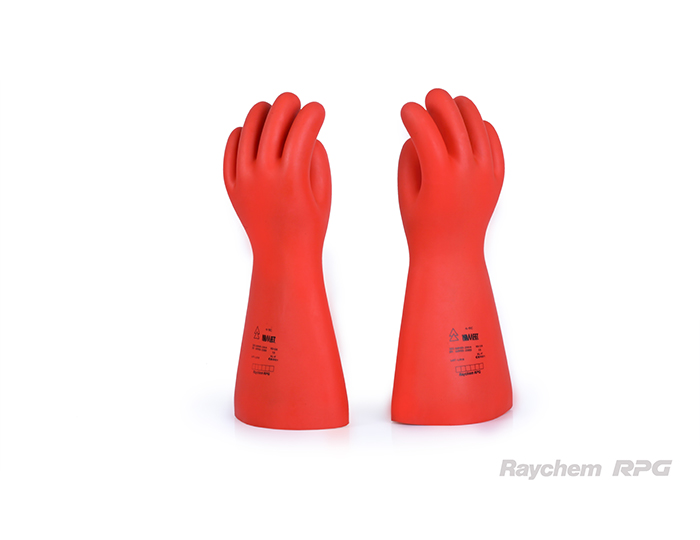
KAMFET Rubber Insulating Gloves provide superior electrical protection, ensuring safety for professionals working with live voltages or near electrical installations. These gloves offer reliable protection across a wide voltage range from 500 VAC to 36000 VAC.
Electrical Protection :
Provides protection from electrical shocks for voltages ranging from 500 VAC to 36000 VAC.
Make in India :
Proudly manufactured in India, supporting local industry and craftsmanship.
High Compliance Standards :
Compliant with EN 60903:2003, IEC 60903:2014, and CE Category III standards.
Ensures high-quality and reliable protection.
Applications
Live Voltage Work :
Ideal for professionals working on live electrical installations.
Provides reliable protection against electrical shocks.
Electrical Proximity :
Suitable for use in environments where there is proximity to electrical installations.
Picking an insulating glove by looking at it is a genuinely dangerous mistake, because the thing that actually determines safety — its voltage class — isn’t visible from the outside. eNarayan Elex stocks Raychem RPG’s KAMFET range, which is tested and classed under EN 60903:2003 and IEC 60903:2014, specifically so the right glove can be matched to the actual voltage being worked on rather than guessed at.
How the classes work: the KAMFET range runs from Class 00 through Class 4, and each class is rated for a specific working-voltage ceiling — the glove gets thicker and the rated voltage goes up as the class number increases. Class 00 covers the lowest working voltages (around 500V AC), moving up through Class 1, 2 and 3 for progressively higher-voltage work, up to Class 4 at the top of the range for the highest voltages the series covers (rated into the tens of kilovolts). Each glove is also tested to a proof voltage well above its rated working voltage — the gap between “rated for” and “tested to destruction at” is the safety margin built into the standard, not a marketing number.
What they’re made from: these are natural rubber (latex-based) gloves, chosen specifically for high dielectric performance — the material’s resistance to conducting electricity — while keeping enough flexibility and dexterity for someone to actually work with tools and connectors while wearing them, which is a real trade-off in glove design (thicker, higher-voltage gloves are less dexterous).
Live work vs proximity work: the two broad use cases on the eNarayan page map directly onto how these gloves are actually used on site — direct live-voltage work (where the glove is the primary barrier between the hand and a live conductor) and proximity work (where the glove is worn as a precaution near energised equipment rather than direct contact). The correct class depends on the voltage present in either case, not on which task feels more or less risky.
Buying note: always confirm the actual system voltage before ordering a class, and note that most standards (including this one) recommend a leather over-glove worn on top of the rubber glove for mechanical protection against cuts and abrasion — the rubber glove alone isn’t meant to double as a work glove.
eNarayan Elex supplies the full KAMFET class range from its Hyderabad warehouse for utilities, contractors and industrial safety teams. See also IEC & AS/NZS Standard Insulating Mats from the same Raychem RPG safety range, and browse Cable Accessories for the rest. Contact eNarayan Elex for class-specific pricing.
Frequently Asked Questions
What voltage range do Raychem RPG (KAMFET) Rubber Insulating Gloves protect against?
They provide electrical protection across a wide voltage range from 500 VAC to 36,000 VAC, suitable for professionals working with or near live electrical installations.
What standards do these insulating gloves meet?
They're compliant with EN 60903:2003, IEC 60903:2014 and CE Category III, ensuring high-quality, internationally recognized electrical protection.
Are KAMFET rubber insulating gloves made in India?
Yes, they are proudly manufactured in India as part of Raychem RPG's locally produced safety-gear range.
What applications are these gloves designed for?
Two main use cases: live voltage work, for professionals directly handling live electrical installations, and electrical proximity work, where personnel operate near — but not directly on — energized equipment.
Do I need the leather over-gloves as well when using these rubber insulating gloves?
Raychem RPG's Leather over gloves/protectors, also stocked by eNarayan, are designed to be worn over these rubber insulating gloves for added mechanical protection — the two products are meant to be used together.
What voltage class should I choose for my application?
The 500–36,000 VAC range covers most low- to medium-voltage electrical work; contact eNarayan sales at sales@enarayan.com to confirm the correct class rating for your specific voltage level.
